
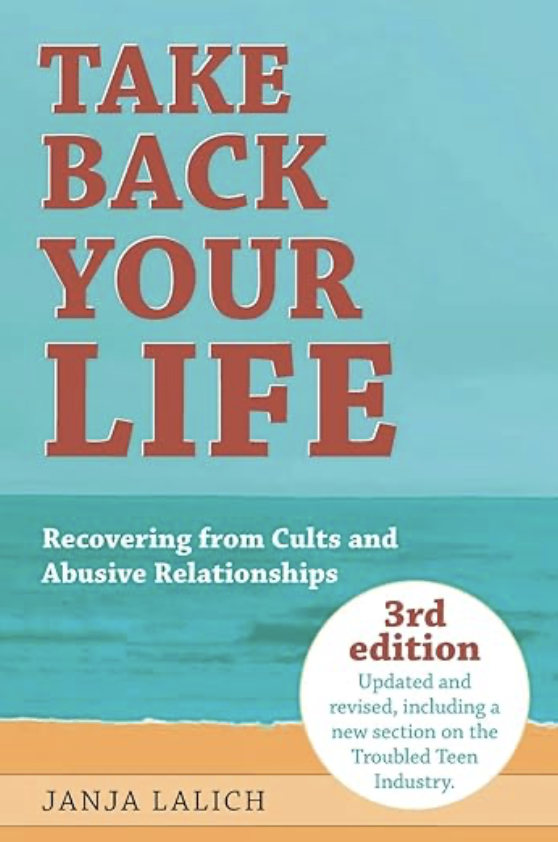
Take Back Your Life
Take Back Your Life by Jana Lalich is a practical guide for those recovering from controlling groups or relationships, offering tools to rebuild autonomy, confidence, and trust in one’s own judgment. With clear explanations and supportive exercises, it helps readers understand the dynamics of manipulation while moving toward healing and self-empowerment.
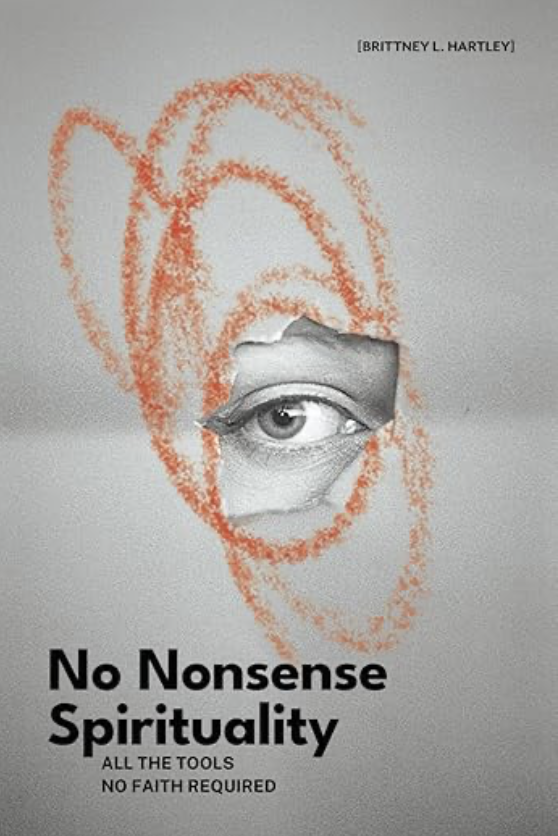
No Nonsense Spirituality
Hartley offers a practical, secular approach to spirituality that doesn’t rely on belief in the supernatural. Drawing from philosophy, psychology, science, and world religious traditions, Hartley outlines tools like awe, ritual, morality, story, community, and intuition to help readers build a meaningful and grounded spiritual life on their own terms. Her framework empowers people to reconnect with wonder, purpose, and connection while remaining fully rational and free from dogma.
Man’s Search for Meaning
Drawing on his experiences as a Holocaust survivor, the author explores how finding personal meaning can help individuals endure suffering and rebuild their lives. The book offers hope and practical wisdom for those seeking purpose and healing after religious or existential crises.
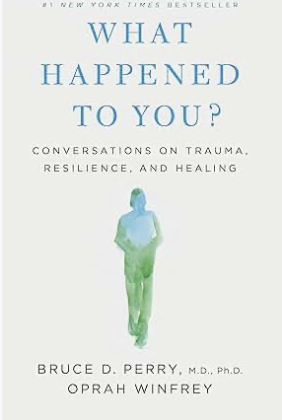
What Happened to You?
What Happened to You? by Dr. Bruce Perry and Oprah Winfrey explores how trauma, especially in childhood, shapes the brain, body, and behavior throughout life. Through a conversational style, it explains the science of the nervous system, the impact of stress and adversity on development, and the power of reframing questions from “What’s wrong with you?”to “What happened to you?” The book emphasizes that healing is possible through safe, consistent relationships, regulation, and compassionate understanding of how past experiences continue to influence the present.
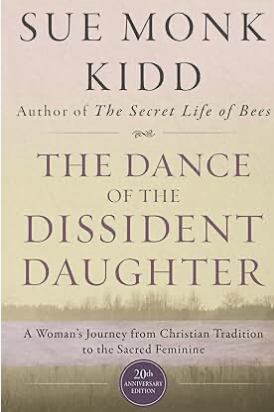
Dance of the Dissonant Daughter
Sue Monk Kidd explores her journey of moving beyond the constraints of Southern Baptist Christianity to embrace a more authentic and empowering spirituality. Kidd describes her struggles with internalized gender roles, the conflict between faith and feminism, and the process of reclaiming her voice. The book blends personal narrative with reflections on religion, identity, and the feminine divine, offering a path toward wholeness and self-discovery.
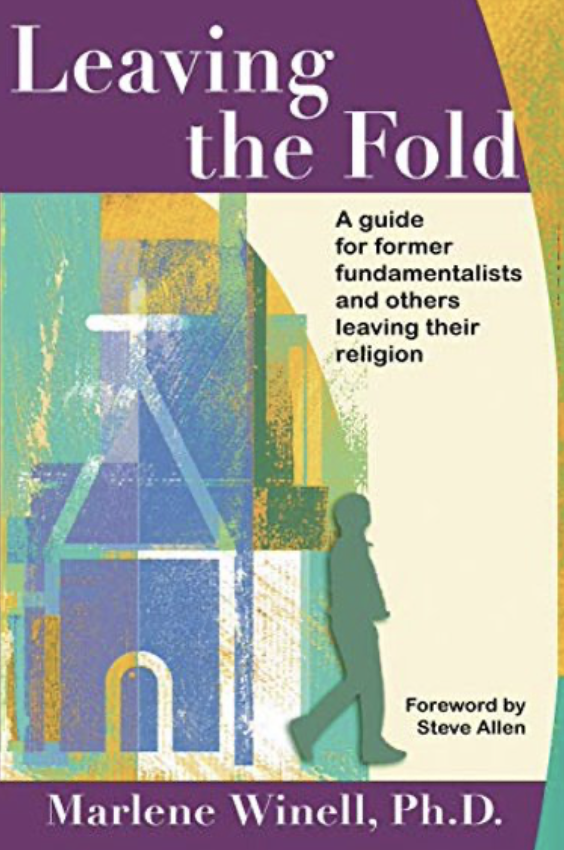
Leaving the Fold
Doctor Winell offers guidance for individuals leaving fundamentalist or controlling religious communities. She addresses the emotional and psychological challenges of this transition. Through personal stories and practical exercises, it helps readers reclaim autonomy, heal from spiritual trauma, and build a fulfilling life beyond religion.