
Therapy for Religious Trauma, Faith Deconstruction and Spiritual Harm

Serving greater Nashville.
Online therapy offered to Tennessee, Florida, & South Carolina residents.
Therapy provided through Daybreak Therapy, LLC
Evidence-informed, nonjudgmental therapy for people healing from fear-based religion, spiritual abuse, or high-control belief systems.
Common reasons people seek therapy for healing from religion
You grew up in or spent time in a fear-based, rigid, or high-control religious environment
You are deconstructing faith and feel anxious, untethered, or afraid of “getting it wrong”
Struggle with fear of hell, punishment, or divine surveillance
Experience religious OCD / scrupulosity or intrusive religious thoughts
Carry shame related to sexuality, purity culture, or bodily autonomy
Grief, anger, confusion, or loss around your former beliefs or community
You feel disconnected from your identity, intuition, or sense of meaning
What Make this Therapy Different?


I am trained specifically in therapy for religious trauma, faith deconstruction and spiritual abuse with years of experience.
Specialized Focus
We go at your pace. Therapy is collaborative, gentle and grounded in client centered emphasis.
Trauma-Informed Therapy

Integrating the best of evidence-based therapy tools, including EMDR, IFS, and DBT, tailored for religious harm experiences.
Evidence-Based Methods
How Can I Support You?
-
Religious trauma is the lasting impact of religious harm on a person’s mental, emotional, and relational wellbeing. We address all of these areas in therapy according to your needs.
-
Faith construction is reexamining all or some of your religious beliefs. Asking questions can be tough- especially if your religion frames it as rebellious or dangerous. In therapy you can have a space to explore questions and get support for the losses that can be associated with exploring questions or changing your mind.
-
Religious abuse is different because it happens in a system that was supposed to provide safety, meaning, and moral guidance. When sexual abuse, spiritual abuse and exploitation happens in a religious context therapy needs to make room for many complex layers. We can go at your pace and approach these topics in a way that feels safe to you.
-
Harmful theology negatively impacts the way someone sees themselves and the world around them. Therapy can provide space to unpack what was hurtful and reclaim truths about your worth and safety.
-
High control religion uses powerful social mechanisms to regulate behavior, identity, and belonging. Recovery in therapy includes identifying ways you were manipulated and restoring agency and self-trust.
-
Exit costs are the losses associated with deconstructing, de-converting, or disaffiliating from a religion. Therapy can be a support for grieving what was lost and rebuilding critical supports. Elements such as identity, community, meaning making system, and relationships, and financial support are often themes.
Ready to Get Started?

Schedule a Consult
Schedule a free 15 minute consultation to discuss your goals and ask questions.

Book a Session
We will send you a booking link and new client paperwork. Get started whenever you are ready.

Get Support
Jump into progress. We will work towards your goals and adjust as we go.
About Jennifer Bartley, LMFT
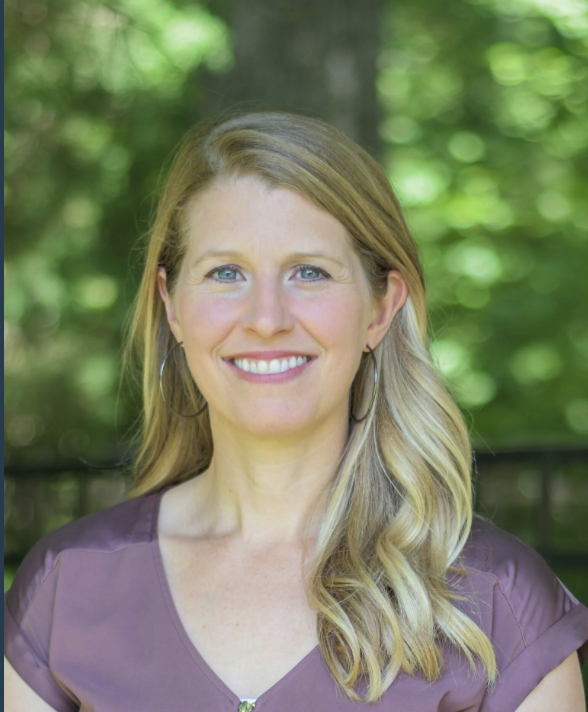
I’m so glad you’re here. I’m a licensed therapist specializing in therapy for clients who are healing from religion. This experience can be uniquely vulnerable and are often misunderstood—especially when people around you don’t know or believe that religion can be harmful.
I recognize that each person’s experience is deeply individual- and that client centered therapy includes honoring your autonomy. In our work together. We will collaborate to identify therapy goals that reflect your specific needs and circumstances. Sometimes that means focusing on practical tools to help you get through the day; other times, it may involve more focused, in-depth work to support healing on a deeper level.
My goal is to create a space that feels safe, steady, and supportive—where you don’t have to minimize what you’re carrying. I hope therapy helps you develop a more compassionate relationship with yourself, one that supports you as you navigate the experience of healing from religion.
You don’t need to figure this all out on your own. You deserve support from a therapist who understands what you’re going through.
Office Location & Online Services

In-person sessions available in a calm, private office.
In Person Therapy
1550 North Mount Juliet Road - Mt Juliet, TN
Driving distance from Nashville- Franklin- Lebanon- Hermitage- Donelson- Murfreesboro- Franklin- Brentwood
Online Therapy
Therapy that meets you where you are with convenience and comfort.
Open to residents of Tennessee, South Carolina, & Florida.
Let’s talk!
Your 15-minute consultation is free.