
Existential Crisis After Leaving Religion:
How to Find Meaning Again

“Without a map, we wander.” — Jerome Bruner
Why Losing Religion Can Feel Disorienting

One of the major benefits of religion is that it provides people a framework for understanding the BIG questions in life. What happens when we die? What is the meaning of life? Religion provides an automatic, prepackaged answer for most of those questions.
Humans are wired to orient ourselves to the world around us. Meaning making frameworks are tools for navigation- like maps. When the map that you rely on to live is leading you in a wrong direction, or becomes dated- it creates a lot of problems. This is one big reason why the early part of recovery from religious harm is so challenging.
The Void:
When Your Old Meaning System Falls Apart
The “dark night of the soul” is a term often used to describe a period of deep disorientation and emotional pain that can occur when meaning making maps collapse. When an old framework falls away before a new one has formed, it is incredibly destabilizing. During this time of vulnerability people are more at risk of feelings of hopelessness, despair, anxiety, and other mental health challenges. There are ways of rebuilding new meaning and recovering from the existential crisis. It usually happens slowly, in small pieces, but it is possible.
How to Rebuild Meaning After Religion
Acceptance and Commitment Therapy (ACT)
and Values-Based Living
If you want some structure for building a great life according to your values, Acceptance and Commitment therapy has loads of content for you. Russ Harris, a leading teacher in this model, has a phenomenal YouTube channel with free resources for values based orientation to life.
Exploring New Beliefs and Philosophies
One of the perks of moving away from a restrictive religious perspective is that you get to explore—learning about other ways of viewing the world, ethics, and how to live can be fulfilling. There are many philosophies that do not include a religious premise, but still celebrate community, common narratives and values, etc. Books, clubs, and secular organization are great places to explore ideas.
Exploring new beliefs is also likely to bring challenges. It’s ok to explore other groups and ideas at a pace that feels good to you. Some people do not find it useful to explore other ideas or groups and focus on other aspects of life (hobbies, career, etc) altogether. Everyone is different.
Here are a few quick examples of other belief systems that you might find interesting:
Humanism
Meaning and ethics grounded in human wellbeing — learn more through the American Humanist Association’s resources
Secular Buddhism
Practice-based approaches to suffering, attention, and compassion without requiring supernatural beliefs. Explore via Secular Buddhist Network or Secular Buddhist Tradition.
Naturalism and Ecocentrism
The natural world is enough; meaning can grow from nature, science, and care for the living world. Sees humans as part of an interconnected ecological system rather than separate from or above nature.
Pragmatism
Values ideas based on their usefulness and real-world impact rather than whether they are “ultimately true.”
Pluralism
Holds that many perspectives can coexist, and that no single framework has a monopoly on truth or meaning.
Stoicism
Focus on what you can control; practice steadiness and resilience
Meaning Making through Existential Therapy
Existential Therapy addresses how people make meaning in the face of life’s fundamental uncertainties—such as freedom, responsibility, isolation, and death. Rather than offering new beliefs to replace old ones, it helps individuals grieving lost certainties, tolerating ambiguity without panic, and discovering meaning that feels self-authored rather than imposed. Through reflection, dialogue, and values-based exploration, clients learn that meaning does not have to be fixed or absolute to be sustaining, and that they can orient their lives with integrity even without final answers. If you want to learn more a few authors to explore are:
Irvin D. Yalom
Staring at the Sun (excellent for death anxiety)
Love’s Executioner (therapy stories that illuminate existential themes)
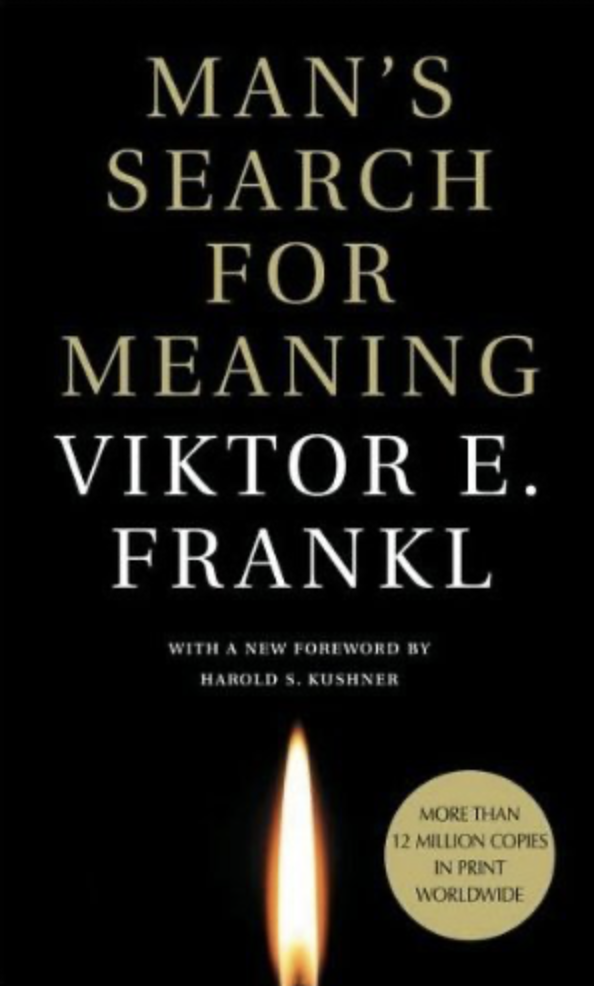
Vitor Frankl
Man’s Search for Meaning
James Bugental
The Search for Authenticity
Learning to Tolerate Uncertainty
When we find ourselves past the edges of the map that we thought we could rely on, and our navigational systems are down, we have to find new ways to tolerate uncertainty. If you came out of a rigid belief system, you were likely taught to feel safe with certainty. But the real world doesn’t have easy, simple answers. Exploring new ideas means learning to function with uncertainty of the real world.
One concept that can but useful for reducing distress from uncertainty is: radical acceptance. This is about learning to tolerate things you cannot change. Acceptance means allowing uncertainty to be there, letting go of the struggle for answers, making space for discomfort. Even saying to yourself, “I’m not sure and that’s ok". is a step toward practicing uncertainty.
